
Debt Consolidation
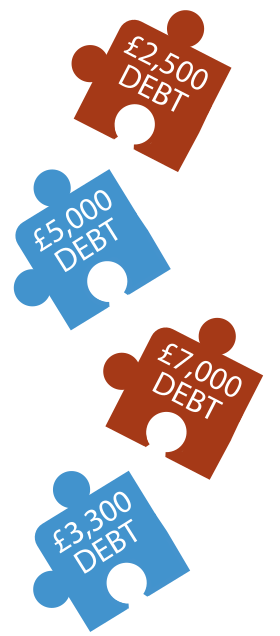
It can be expensive and stressful having a number of debts to pay for each month. Most loans for instance are over a medium to short term, usually between three and five years and have a higher interest rate than a mortgage. Credit cards will normally attract a higher interest rate again and the best way to conduct a credit card is to pay the balance off in full each month, minimising the interest payments. If you end up with multiple loans and credit cards, the monthly payments can quickly get out of hand and this can result in a situation where you are ‘robbing Peter to pay Paul’. As mortgages are usually over a longer term and the interest rate is lower, a good way to clear out debt is to remortgage and use the funds to wipe out your more expensive debt, in turn bringing down your monthly payments whilst also only having to deal with one creditor.
What is debt consolidation?
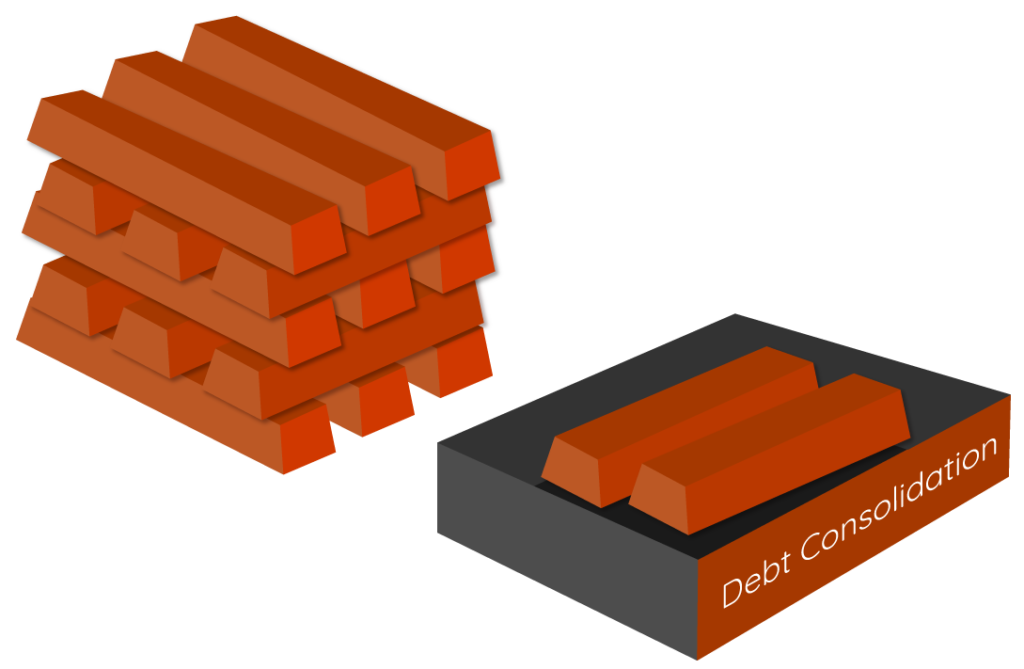
Debt consolidation is a process whereby an individual rolls up several different debts and transfers them to one creditor with one monthly payment. This can be achieved by taking out a personal loan, a credit card or you can remortgage, raise capital from your lender and pay off your existing unsecured debt. You will need to have enough equity in your property for this to happen. There are risks with securing other debts to your mortgage but if thought out properly it can enable you to make a significant monthly saving when compared to paying each account monthly.
What are the benefits of consolidating my debts?
The main benefit of consolidating your unsecured debt within your mortgage is to make a monthly saving on your outgoings. With transport costs, the price of consumer gas and electric bills and food shopping being in an inflation bubble our monthly budgets have never been under so much pressure. For a lot of people having varying amounts of payments going out to multiple different creditors can also be stressful. There is much more financial administration needed to keep on top of various creditors rather than having just one monthly payment to your mortgage lender.
What are the negatives of consolidating my debts?
You will need to fully weigh up your options and decide whether consolidating previous unsecured debt into a mortgage secured on your home over a long payment term is the right thing for you to do. Ultimately you will more than likely pay more money overall with the debt consolidated into your mortgage than you would compared with keeping your shorter-term unsecured payments in place but this decision will usually come down to your individual affordability and monthly payments. Make sure you speak with a mortgage expert who will compare and advise on this for you.
Can I consolidate my debts if I have bad credit?
Yes, you can. As long as you have the equity within your home and you meet other lending requirements then this is possible. Using the services of a mortgage expert will help with this as they will know what is needed depending upon your unique circumstances and they will be able to match you with the right lender.
Do I need a mortgage broker for debt consolidation?
It is always a good idea to use a broker for any type of mortgage but if you have any type of bad credit then it becomes especially so. There are more barriers to obtaining a debt consolidation mortgage if you have bad credit, such as minimum equity and income restrictions. Extra checks will be needed by underwriters and this is where your mortgage expert will excel. They have the knowledge to select the right bad credit mortgage lender to approach for a deal to fit your individual circumstances.
Contact us
Get in touch and we will organise a mortgage expert to contact you who has the expertise and knowledge to organise your bad credit debt consolidation mortgage application.
As a mortgage is secured against your property, it could be repossessed if you do not keep up mortgage repayments.
Story video